


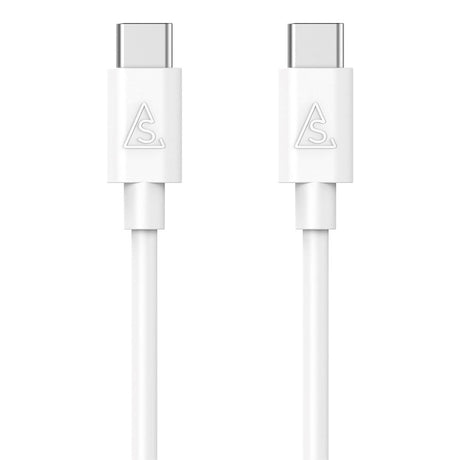
 Bestseller1m60W
 Bestseller2m60W
 Popular3m60W
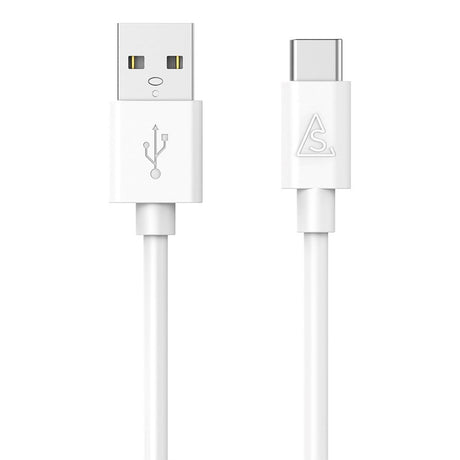 Bestseller1m15W
-
Bestseller1m15W
-
Bestseller2m15W
-
Popular2m15W
-
Popular3m15W
-
Popular3m15W
-
Bestseller1m
-
Popular1m
-
Bestseller2m
-
Popular2m
-
Popular3m
-
Popular3m
-
Popular1.2m15W
4smarts
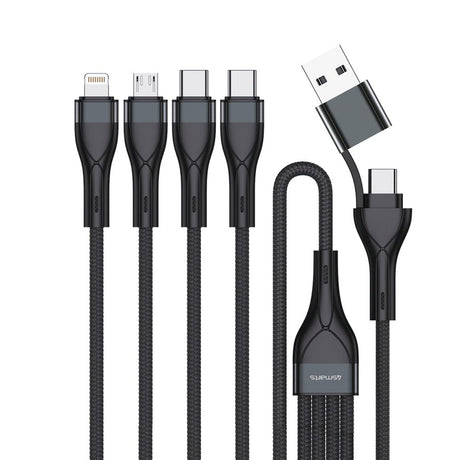
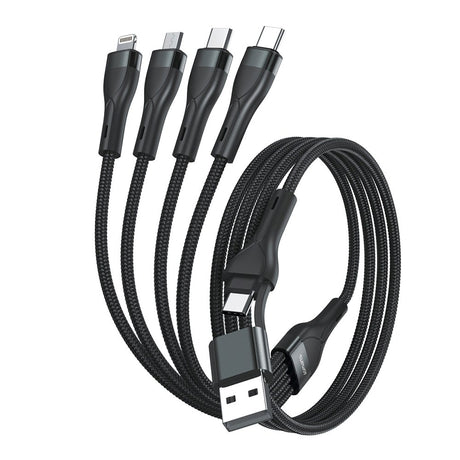
4in2 15W Multi-Charging Cable - 2 x USB-C / Lightning / Micro USB 120cm - White
€2699Grundpreis /Nicht verfügbar -
Bestseller1.2m15W
4smarts
4in2 15W Multi-Charging Cable - 2 x USB-C / Lightning / Micro USB 120cm - Black
€2699Grundpreis /Nicht verfügbar 
 Bestseller
Apple
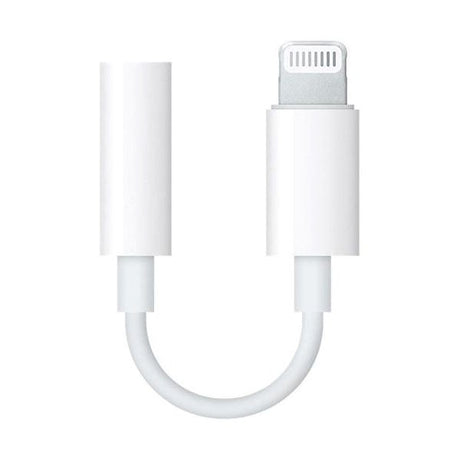
Original Apple Lightning to 3.5mm Jack Adapter for Headphones
€1999Grundpreis /Nicht verfügbar Bestseller
-
 Popular0.5m
 -
1m
-
Popular1m
Apple
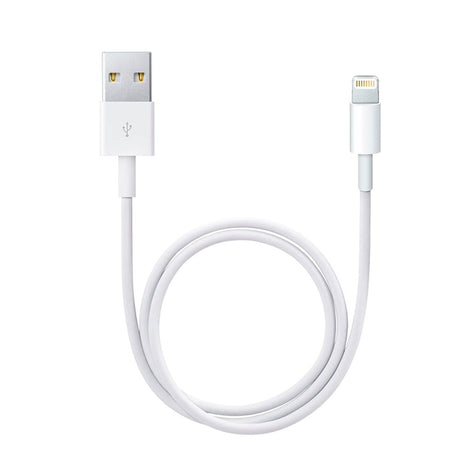
Original Apple USB-C til Lightning Kabel 1 m. (MUQ93ZM/A) - White
€2599Grundpreis /Nicht verfügbar -
Bestseller2m
Apple
Original Apple USB-C to Lightning Cable 2 meter (MQGH2ZM/A) - White
€4199Grundpreis /Nicht verfügbar -
Bestseller2m
Apple
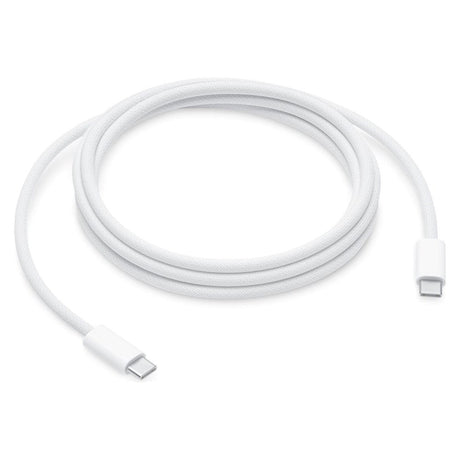
Original Apple USB-C to USB-C Cable - 2m - White (MLL82ZM/A)
€3899Grundpreis /Nicht verfügbar -
Popular1m60W
Apple
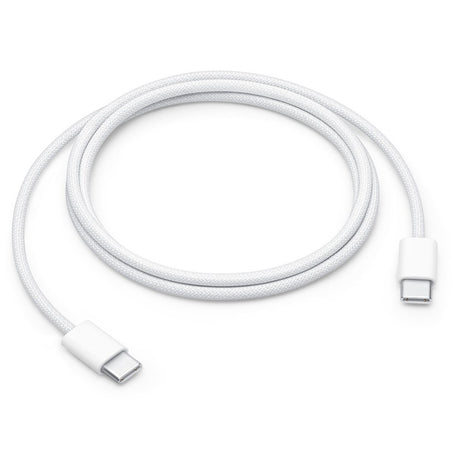
Original Apple USB-C to USB-C Woven Cable 60W - 1m - White (MQKJ3ZM/A)
€2799Grundpreis /Nicht verfügbar -
Popular2m240W
-
Bestseller
-
Bestseller
Tech-Protect
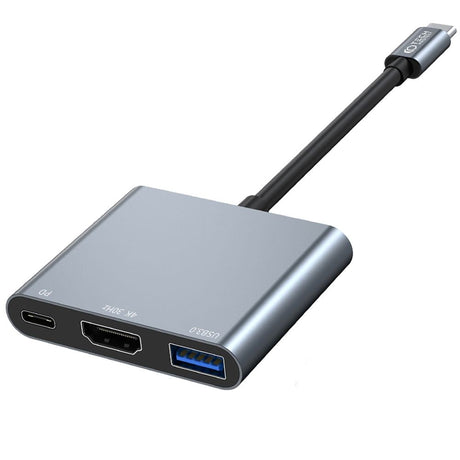
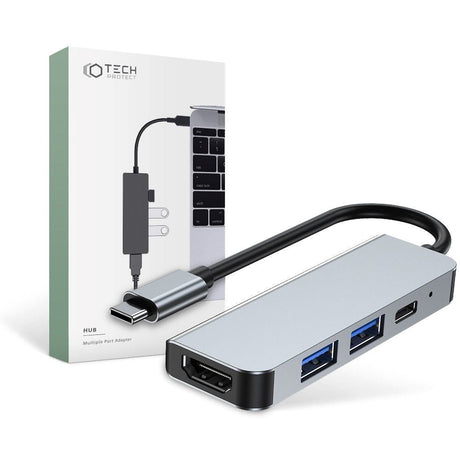
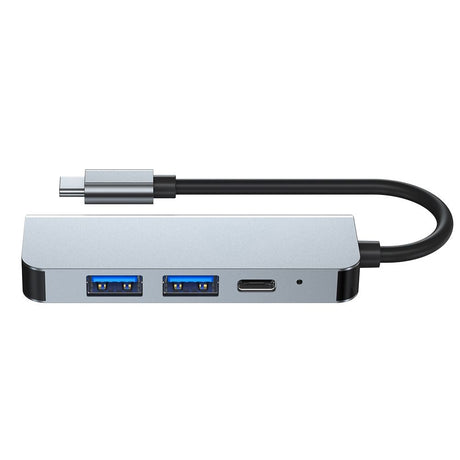
3-in-1 USB-C Multiport V1 Hub - USB-A / USB-C / HDMI - Grey
€2199Grundpreis /Nicht verfügbar -
Bestseller
-
Bestseller
-
Bestseller
-
Bestseller
-
Bestseller
-
Popular
-
Popular0.25m60W
-
Popular1m60W
-
Popular0.5m100W
Tech-Protect
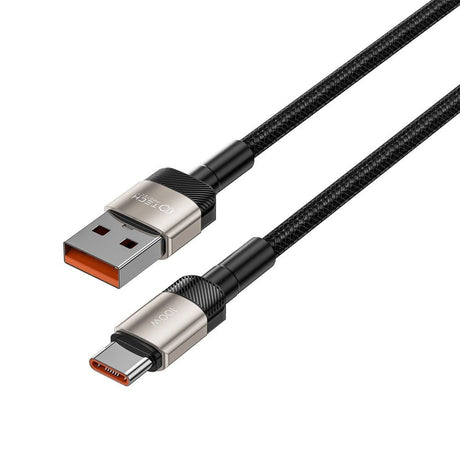
Ultraboost Evo USB-A to USB-C Cable 100W/5A 50cm - Black
€1499Grundpreis /Nicht verfügbar -
Popular1m100W
Tech-Protect
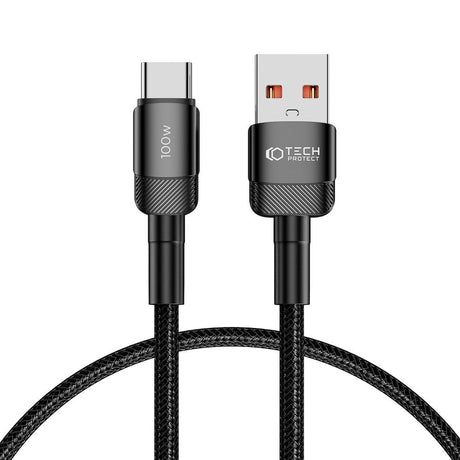
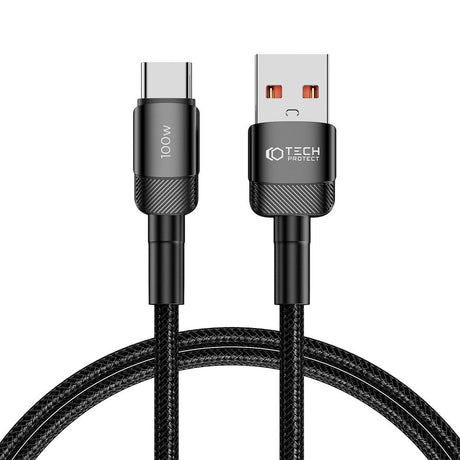
Ultraboost Evo USB-A to USB-C Cable 100W/5A 1m - Black
€1699Grundpreis /Nicht verfügbar -
Popular1m100W
Tech-Protect
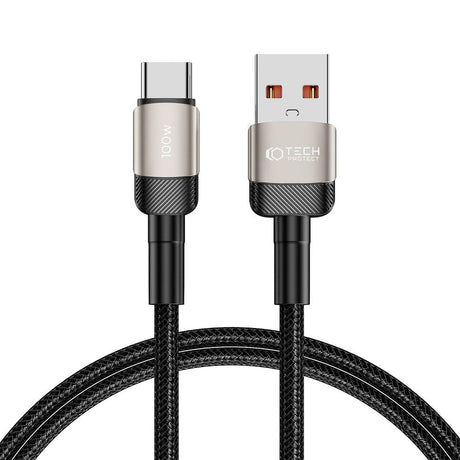
Ultraboost Evo USB-A to USB-C Cable 100W/5A 1m - Titanium
€1599Grundpreis /Nicht verfügbar -
Popular2m100W
Tech-Protect
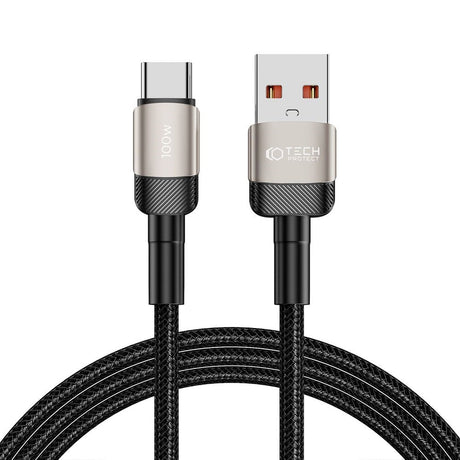
Ultraboost Evo USB-A to USB-C Cable 100W/5A 2m - Titanium
€1999Grundpreis /Nicht verfügbar -
Popular1m100W
Tech-Protect
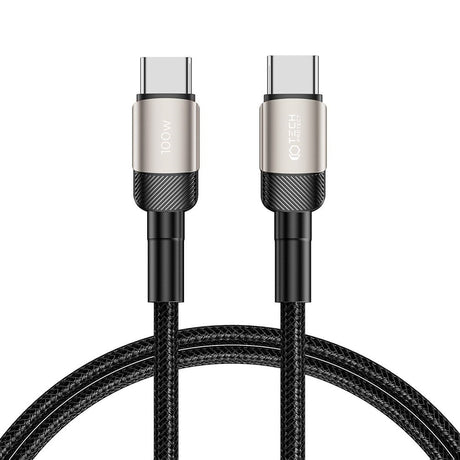
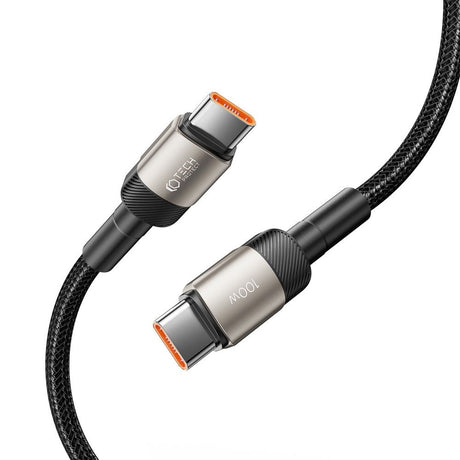
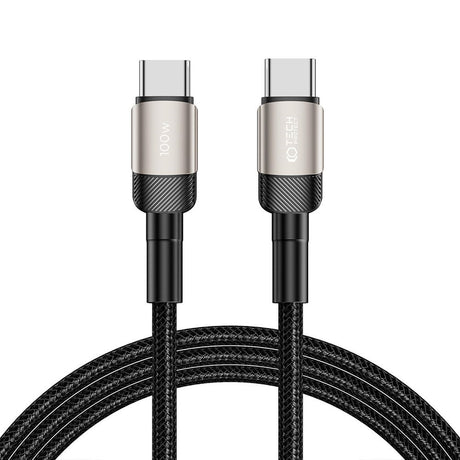
Ultraboost Evo USB-C to USB-C Cable 100W/5A 1m - Titanium
€1599Grundpreis /Nicht verfügbar -
Popular2m100W
Tech-Protect
Ultraboost Evo USB-C to USB-C Cable 100W/5A 2m - Titanium
€1999Grundpreis /Nicht verfügbar -
Popular1m60W
Tech-Protect
Ultraboost Lite 60W / 3A USB-C to USB-C Cable 1m - Grey
€1499Grundpreis /Nicht verfügbar -
Popular2m60W
Tech-Protect
Ultraboost Lite 60W / 3A USB-C to USB-C Cable 2m - Grey
€1699Grundpreis /Nicht verfügbar -
Popular1m27W
Tech-Protect
Ultraboost Lite 27W / 3A Lightning to USB-C Cable 1m - Grey
€1499Grundpreis /Nicht verfügbar -
Popular2m27W
Tech-Protect
Ultraboost Lite 27W / 3A Lightning to USB-C Cable 2m - Grey
€1699Grundpreis /Nicht verfügbar -
Popular0.25m100W
Tech-Protect
Ultraboost USB-C to USB-C Cable 100W/5A 25cm - Black
€1499Grundpreis /Nicht verfügbar -
Popular3m100W
-
Popular1m27W
Tech-Protect
Ultraboost DNA PD 27W/3A Lightning to USB-C Cable 1m - Black / Dark Grey
€1199Grundpreis /Nicht verfügbar -
Popular2m27W
Tech-Protect
Ultraboost DNA PD 27W/3A Lightning to USB-C Cable 2m - Black / Dark Grey
€1299Grundpreis /Nicht verfügbar -
Popular0.25m60W
Tech-Protect
Ultraboost DNA PD 60W/3A USB-C to USB-C Cable 25 cm - Black / Dark Grey
€1199Grundpreis /Nicht verfügbar -
Popular0.5m60W
Tech-Protect
Ultraboost DNA PD 60W/3A USB-C to USB-C Cable 50 cm - Black / Dark Grey
€1199Grundpreis /Nicht verfügbar -
Popular1m60W
Tech-Protect
Ultraboost DNA PD 60W/3A USB-C to USB-C Cable 1m - Black / Dark Grey
€1199Grundpreis /Nicht verfügbar -
Popular2m60W
Tech-Protect
Ultraboost DNA PD 60W/3A USB-C to USB-C Cable 2m - Black / Dark Grey
€1299Grundpreis /Nicht verfügbar -
Popular0.5m100W
Tech-Protect
Ultraboost DNA PD 100W/5A USB-C to USB-C Cable 50 cm - Black / Dark Grey
€1199Grundpreis /Nicht verfügbar -
Popular1m100W
Tech-Protect
Ultraboost DNA PD 100W/5A USB-C to USB-C Cable 1m - Black / Dark Grey
€1199Grundpreis /Nicht verfügbar -
Popular2m100W
Tech-Protect
Ultraboost DNA PD 100W/5A USB-C to USB-C Cable 2m - Black / Dark Grey
€1299Grundpreis /Nicht verfügbar -
Popular3m100W
Tech-Protect
Ultraboost DNA PD 100W/5A USB-C to USB-C Cable 3m - Black / Dark Grey
€1499Grundpreis /Nicht verfügbar -
1m240W
Tech-Protect
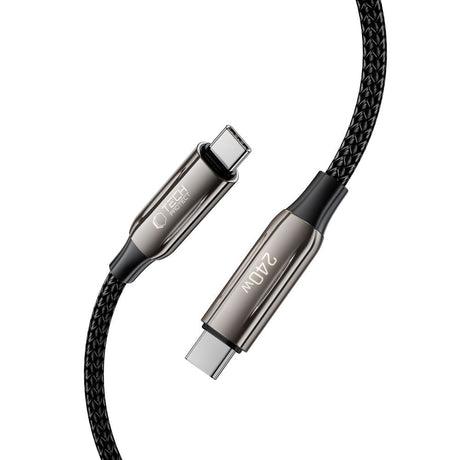
Ultraboost UB10T PD 240W USB-C to USB-C Cable 1m - Black
€1699Grundpreis /Nicht verfügbar -
Popular2m240W
Tech-Protect
Ultraboost UB10T PD 240W USB-C to USB-C Cable 2m - Black
€1899Grundpreis /Nicht verfügbar -
Popular1m60W
Tech-Protect
Ultraboost Classic USB-C to USB-C Cable 60W/3A 1m - White
€1499Grundpreis /Nicht verfügbar -
Bestseller
Tech-Protect
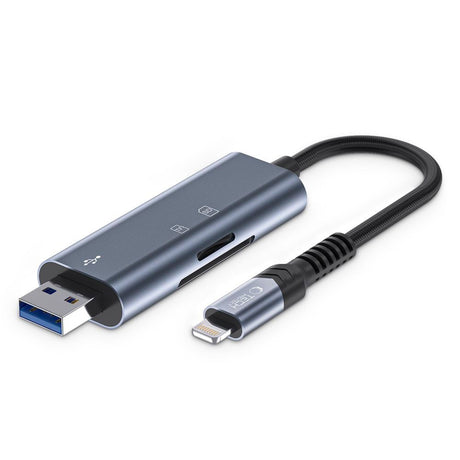
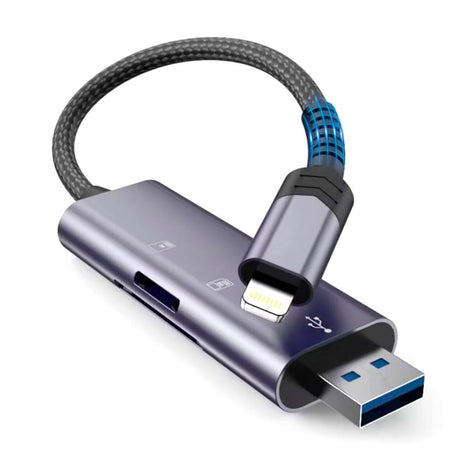
Ultraboost Memory Card Reader SD Card Adapter w. Lightning / USB-A - Grey
€2199Grundpreis /Nicht verfügbar -
Bestseller1m
Tech-Protect
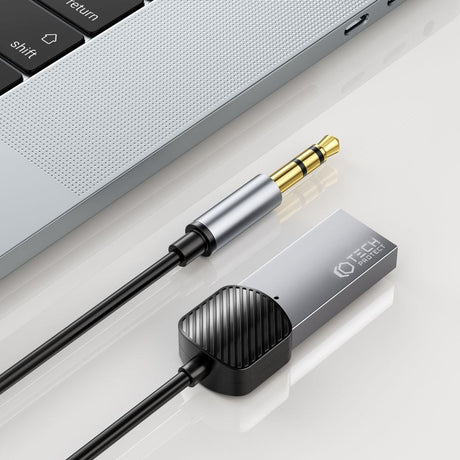
Ultraboost USB to AUX Cable with Bluetooth - 1m - Gray
€1499Grundpreis /Nicht verfügbar -
Popular1.8m100W
-
Popular1m
Tech-Protect
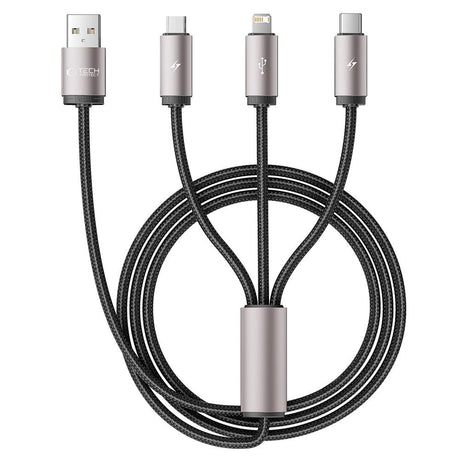
Ultraboost 3-in-1 Lightning / USB-C / Micro-USB 3.5A Cable - 1 m. - Gray
€1899Grundpreis /Nicht verfügbar -
Popular2m240W
Tech-Protect
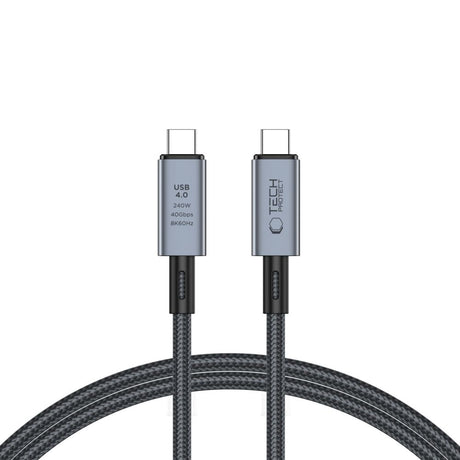
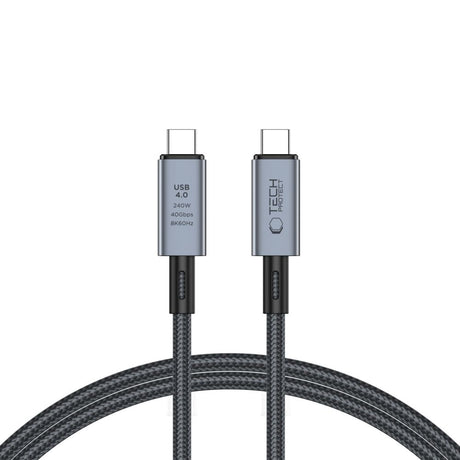
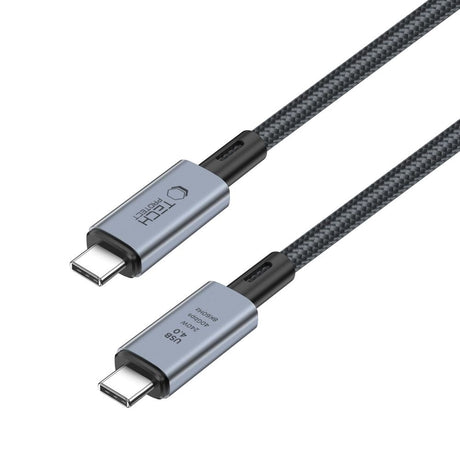
Ultraboost 8K 40GBPS USB-C to USB-C Cable PD 240W 2m - Black
€3199Grundpreis /Nicht verfügbar -
1m240W
Tech-Protect
Ultraboost 8K 40GBPS USB-C to USB-C Cable PD 240W 1m - Black
€2599Grundpreis /Nicht verfügbar -
Popular0.2m60W
-
Popular1m60W
 Popular2m60W
-
Popular3m60W
-
Bestseller2m27W
-
Popular3m15W
-
1m
-
Bestseller1m
-
Popular2m60W
-
Popular2m60W
-
Popular2m60W
-
Popular2m60W
-
Popular2m27W
Smartline
(3A/27W) USB-C to Lightning Braidy Cable 2m - Light Blue
€2799Grundpreis /Nicht verfügbar -
Popular2m27W
Smartline
(3A/27W) USB-C to Lightning Braidy Cable 2m - Dark Brown
€2799Grundpreis /Nicht verfügbar -
Popular2m27W
-
Popular2m27W
-
Popular1m60W
-
Popular1m27W
-
 2m27W
2m27W -
Popular2m100W
-
Popular2m100W
-
Popular
-
Popular
-
-
Popular
-
-
Popular0.25m100W
-
Popular0.25m60W
-
2m100W
-
Popular0.8m100W
-
Popular1m60W
-
Popular1m60W
-
Popular1m60W








































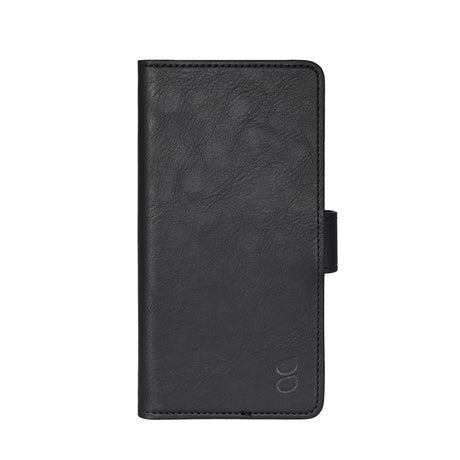
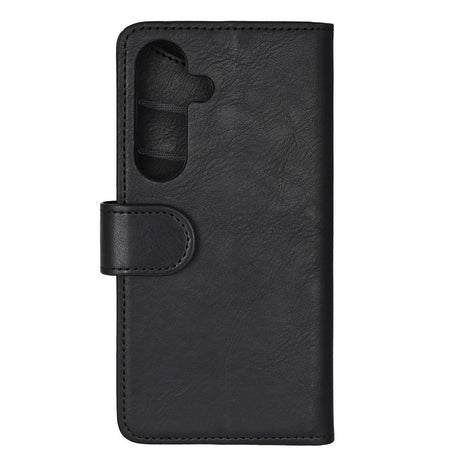
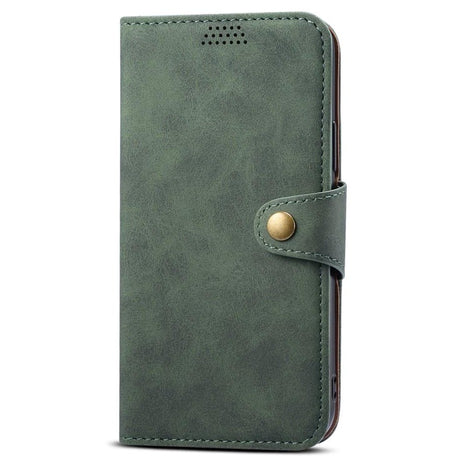
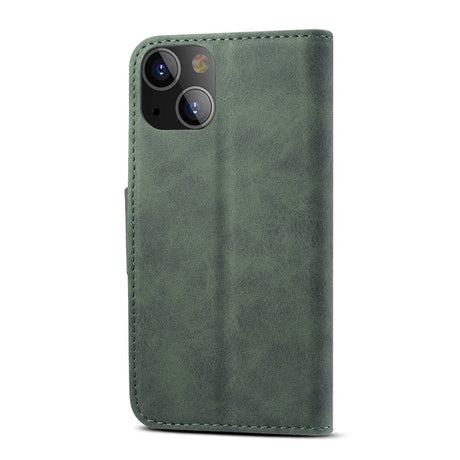
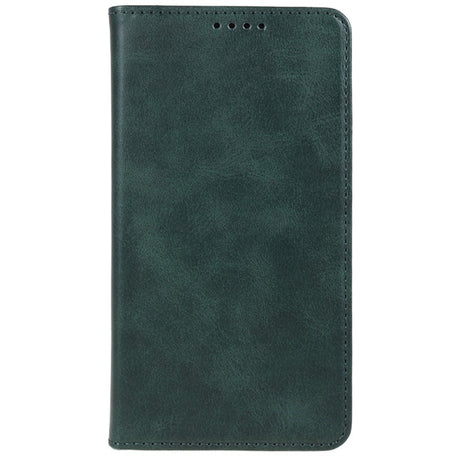
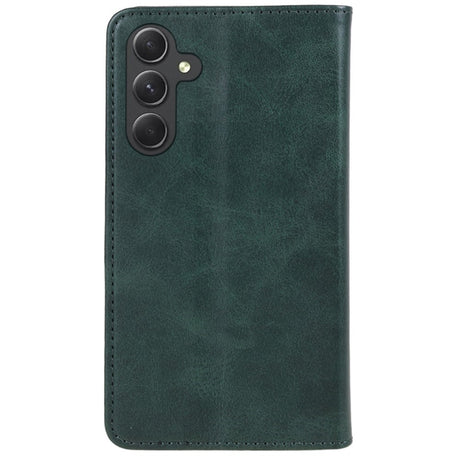
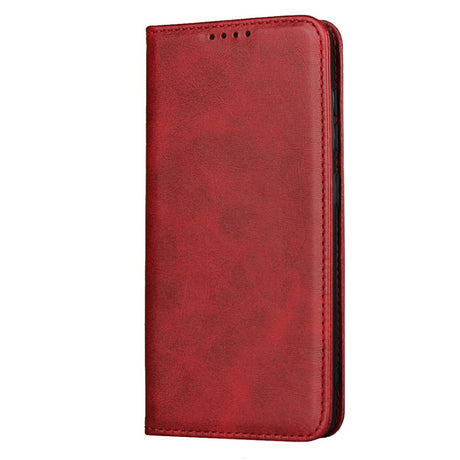
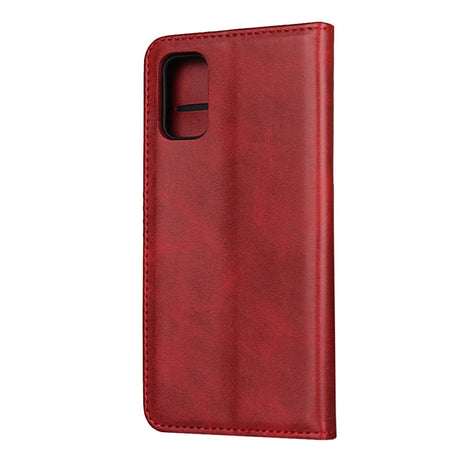
Flip cases
Alle anzeigen-
EIDERWOOD
€1999Grundpreis /Nicht verfügbar -
Popular
EIDERWOOD
€1999Grundpreis /Nicht verfügbar -
Nomad
€9399Grundpreis /Nicht verfügbar -
Popular
dbramante1928
Samsung Galaxy S24 Ultra dbramante1928 Copenhagen Genuine Leather Magnet Flip Case - Black
€2499Grundpreis /Nicht verfügbar -
GEAR
Samsung Galaxy A56 (5G) GEAR Recycled Faux Leather Flip Case with Wallet - Black
€2599Grundpreis /Nicht verfügbar -
-
GEAR
Samsung Galaxy S25 GEAR Classic Flip Case Faux Leather with Card Holder - Black
€2599Grundpreis /Nicht verfügbar -
Popular
-
Bestseller
GEAR
OnePlus Nord CE 2 (5G) Gear Wallet - Leather Wallet Case - Black
€2599Grundpreis /Nicht verfügbar -
Bestseller
Buffalo
Samsung Galaxy S10+ (Plus) Buffalo 2-in-1 Genuine Leather Flip Case - Brown
€2799Grundpreis /Nicht verfügbar -
EIDERWOOD
Samsung Galaxy A56 (5G) / A36 (5G) 2-in-1 Faux Leather Flip Case with Screen Protector Glass - Blue
€2799Grundpreis /Nicht verfügbar -
Popular
EIDERWOOD
iPhone 16 Pro Faux Leather Flip Case with Wallet & Stand Function - Black
€1999Grundpreis /Nicht verfügbar -
Popular
Tech-Protect
Samsung Galaxy Xcover 7 Tech-Protect Flip Case with Wallet - Black
€2199Grundpreis /Nicht verfügbar -
Buffalo
iPhone 17e / 16e Buffalo 2-in-1 Genuine Leather Flip Case - Brown
€4699Grundpreis /Nicht verfügbar -
Spello
Samsung Galaxy S24 Ultra Artificial Leather Flip Case w. Stand Function / Card Holder - Black
€2399Grundpreis /Nicht verfügbar -
EIDERWOOD
Samsung Galaxy A16 (4G/5G) Flip Case with Wallet - Vegan Leather - Green
€1999Grundpreis /Nicht verfügbar -
Bestseller
-
Neuankömmling
EIDERWOOD
€1899Grundpreis /Nicht verfügbar -
Neuankömmling
EIDERWOOD
€1899Grundpreis /Nicht verfügbar -
Neuankömmling
EIDERWOOD
Xiaomi Redmi 17 (5G) / (4G) EIDERWOOD Artificial Leather Flip Case with Stand and Card Holder - Pink
€1899Grundpreis /Nicht verfügbar -
Neuankömmling
EIDERWOOD
Xiaomi Redmi 17 (5G) / (4G) EIDERWOOD Artificial Leather Flip Case with Stand and Card Holder - Blue
€1899Grundpreis /Nicht verfügbar -
Popular
EIDERWOOD
Samsung Galaxy S25 FE Faux Leather Flip Case with Stand Function & Card Holder - Red
€2199Grundpreis /Nicht verfügbar -
Neuankömmling
EIDERWOOD
Xiaomi Redmi 17 (5G) / (4G) EIDERWOOD Artificial Leather Flip Case with Stand and Card Holder - Red
€1899Grundpreis /Nicht verfügbar -
Popular
INCOVER
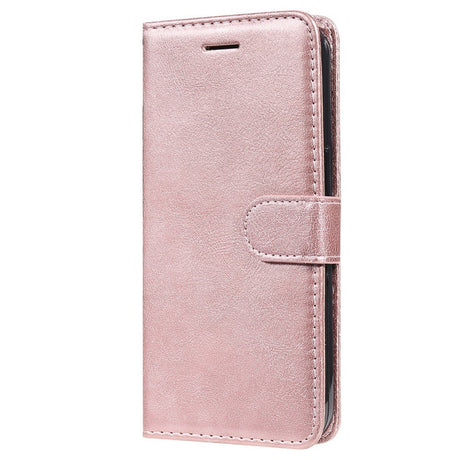
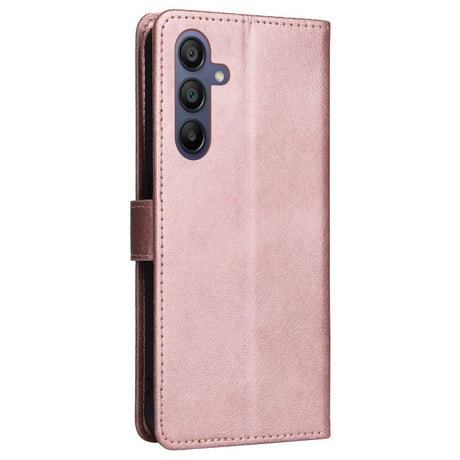
Samsung Galaxy A18 / A17 (5G) / A16 (4G/5G) / A26 Artificial Leather Flip Case w. Wallet - Rose Gold
€2199Grundpreis /Nicht verfügbar








Cables & Adapters
Alle anzeigen-
Bestseller1m60W
-
Bestseller2m60W
-
Popular3m60W
-
Bestseller1m15W
-
Bestseller1m15W
-
Bestseller2m15W
-
Popular2m15W
-
Popular3m15W
Powerbanks
Alle anzeigen-
Bestseller
Tech-Protect
LifeMag Wireless Powerbank 10000 mAh - MagSafe Compatible - Black
€4599Grundpreis /Nicht verfügbar -
Popular
Tech-Protect
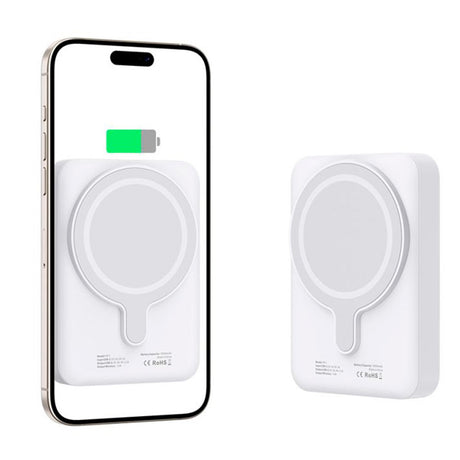
LifeMag Wireless Powerbank 10000 mAh - MagSafe Compatible - White
€4599Grundpreis /Nicht verfügbar -
Bestseller
Tech-Protect
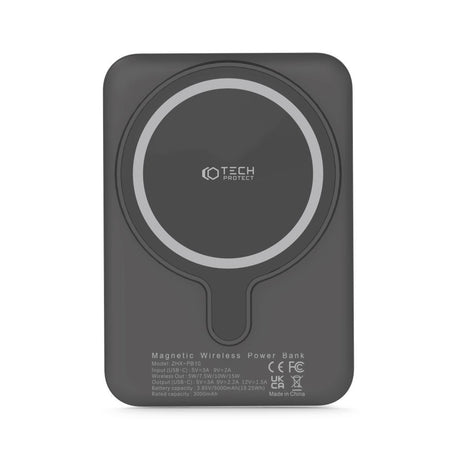
LifeMag Wireless Powerbank 5000 mAh - MagSafe Compatible - Black
€3899Grundpreis /Nicht verfügbar -
Popular
Tech-Protect
LifeMag Wireless Powerbank 5000 mAh - MagSafe Compatible - White
€3899Grundpreis /Nicht verfügbar -
Bestseller
Lippa
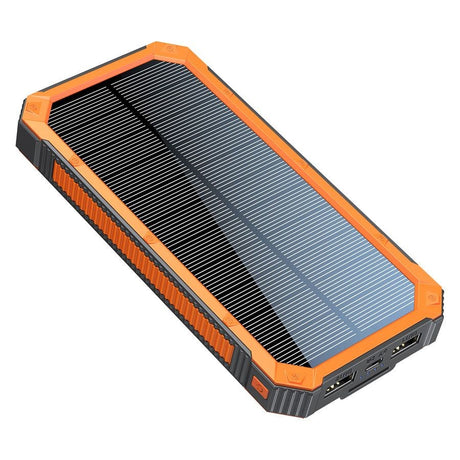
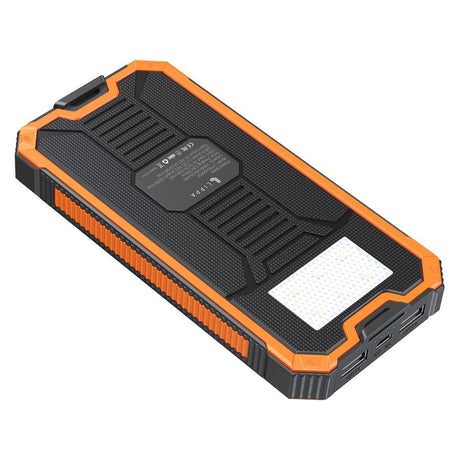
Solar Cell PowerBank 20,000 mAh 20W 3 x USB-A & 1 x USB-C- Black / Orange
€5399Grundpreis /Nicht verfügbar -
Bestseller
Lippa
Solar Cell PowerBank 10,000 mAh 10.5W 2 x USB-A - Orange / Black
€3499Grundpreis /Nicht verfügbar -
GreyLime
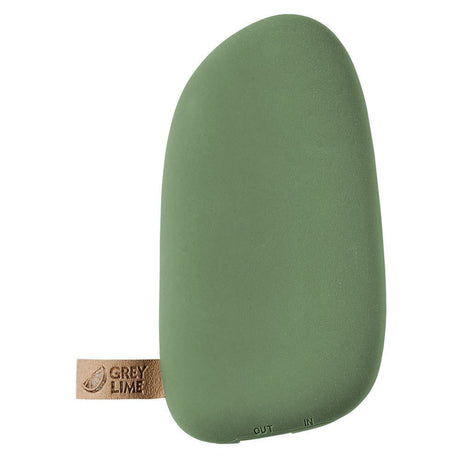
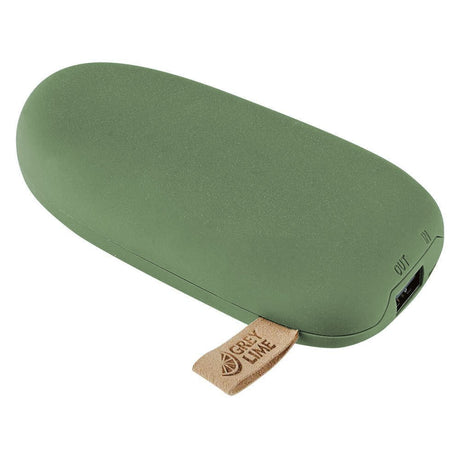
18W Power Stone II 10.400 mAh - PowerBank USB-A & USB-C - Green
€5599Grundpreis /Nicht verfügbar -
Popular
GreyLime
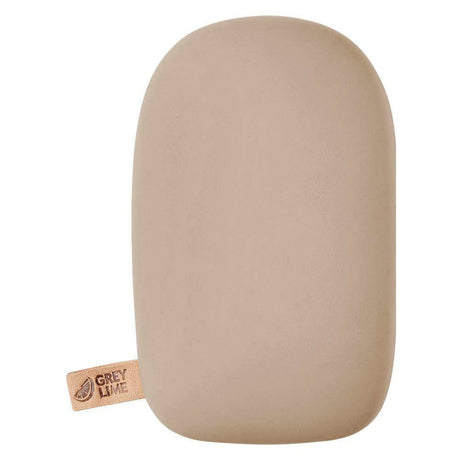
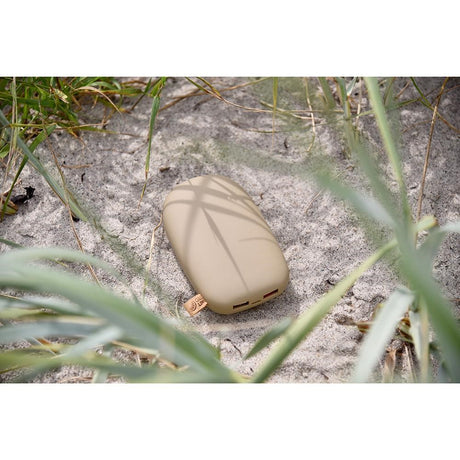
18W Power Stone II 10.400 mAh - PowerBank USB-A & USB-C - Beige
€5599Grundpreis /Nicht verfügbar -
Popular
4smarts
€5099Grundpreis /Nicht verfügbar -
Popular
Tech-Protect
LifeMag Wireless Powerbank 10000 mAh - MagSafe Compatible - Pink
€4599Grundpreis /Nicht verfügbar -
Popular
Tech-Protect
LifeMag Wireless Powerbank 10000 mAh - MagSafe Compatible - Blue
€4599Grundpreis /Nicht verfügbar -
Bestseller
Tech-Protect
LifeMag Wireless Powerbank 5000 mAh - MagSafe Compatible - Pink
€3899Grundpreis /Nicht verfügbar -
Popular
Tech-Protect
LifeMag Wireless Powerbank 5000 mAh - MagSafe Compatible - Blue
€3899Grundpreis /Nicht verfügbar -
Popular
Tech-Protect
€4599Grundpreis /Nicht verfügbar -
Popular
Tech-Protect
€4599Grundpreis /Nicht verfügbar -
Popular
-
-
Popular
-
-
Popular
GreyLime
30W Power Stone II 20.000 mAh - PowerBank USB-A & USB-C - Black
€6399Grundpreis /Nicht verfügbar -
GreyLime
30W Power Stone II 20.000 mAh - PowerBank USB-A & USB-C - Green
€6399Grundpreis /Nicht verfügbar -
GreyLime
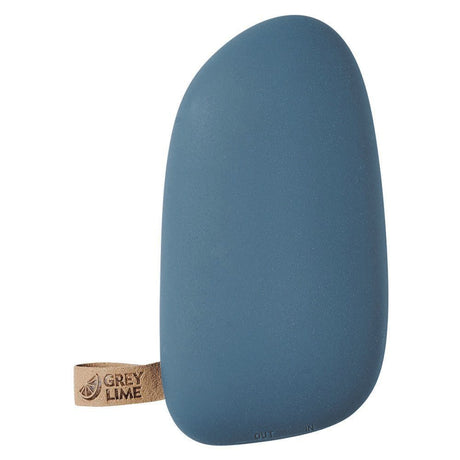
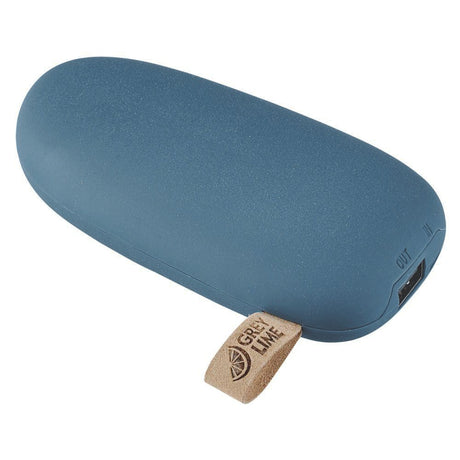
30W Power Stone II 20.000 mAh - PowerBank USB-A & USB-C - Blue
€6399Grundpreis /Nicht verfügbar -
GreyLime
30W Power Stone II 20.000 mAh - PowerBank USB-A & USB-C - Beige
€6399Grundpreis /Nicht verfügbar -
Epico
€6199Grundpreis /Nicht verfügbar


















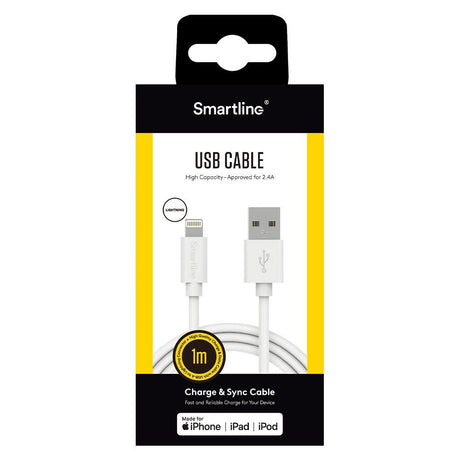
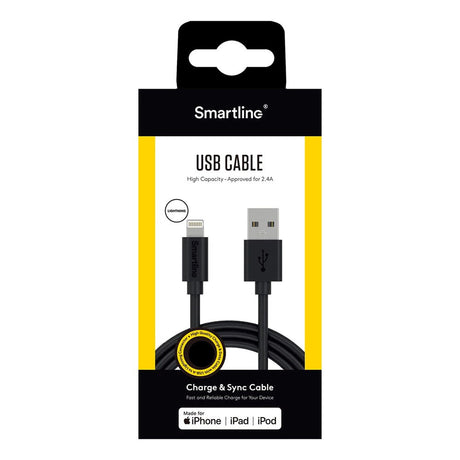
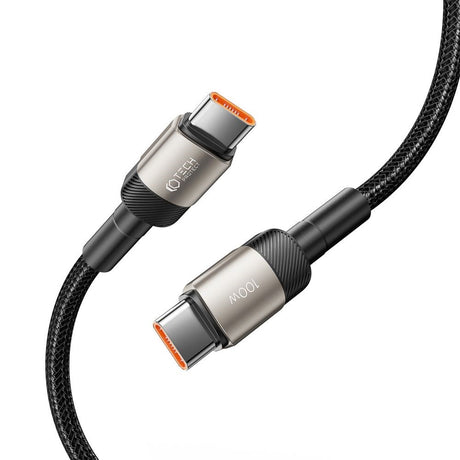
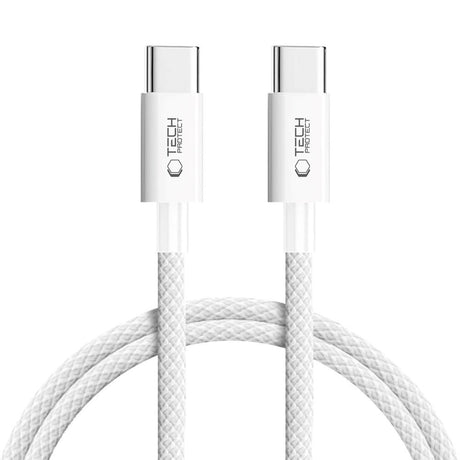
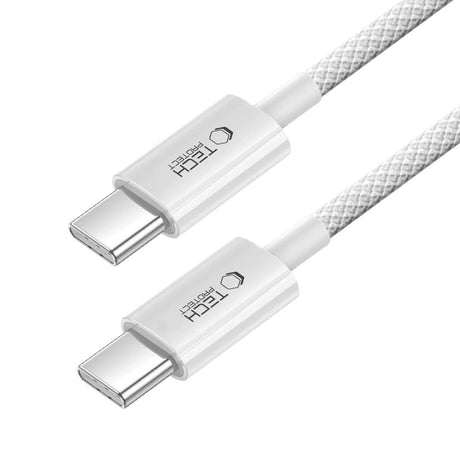
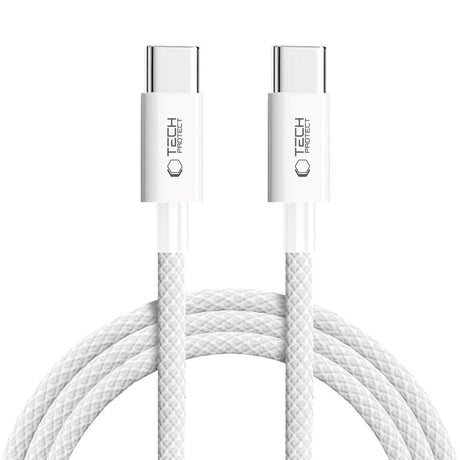
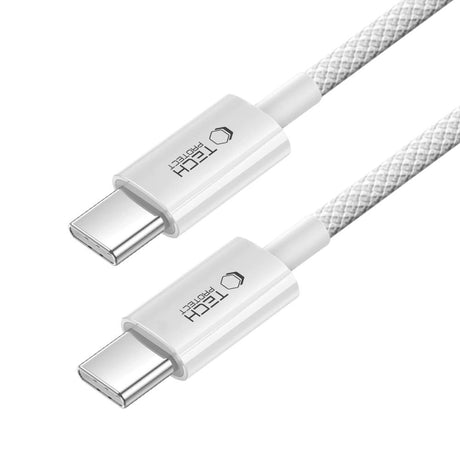
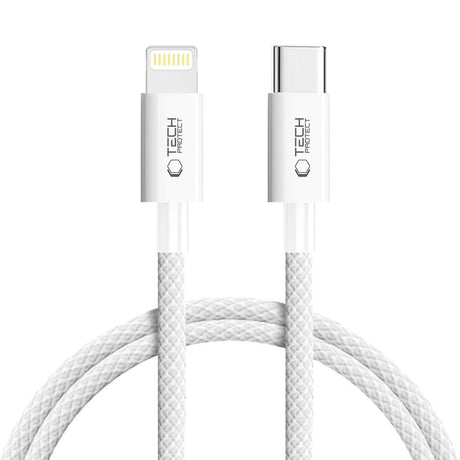
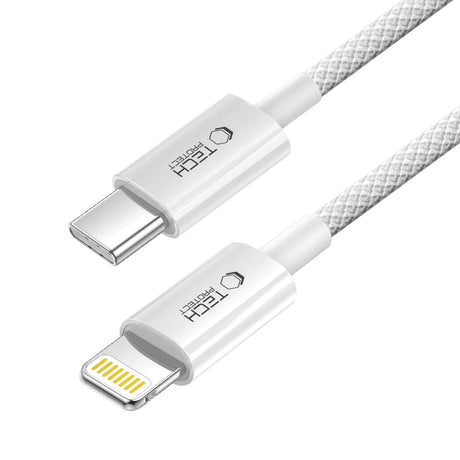
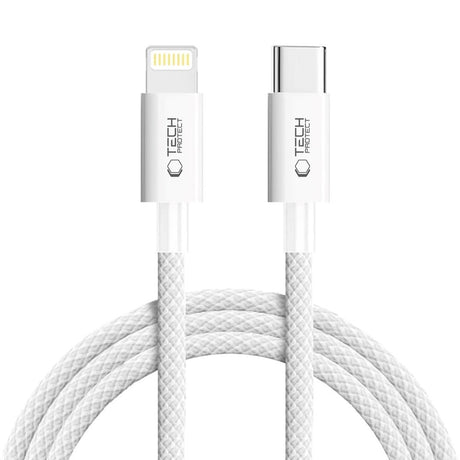
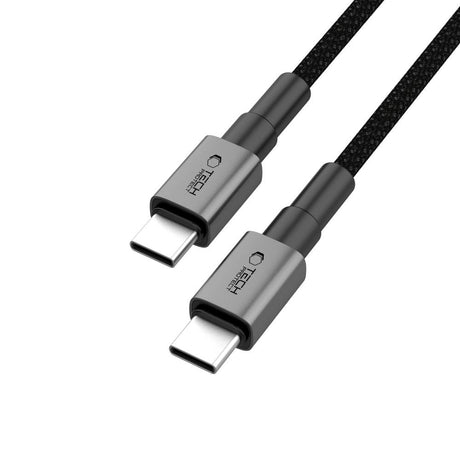
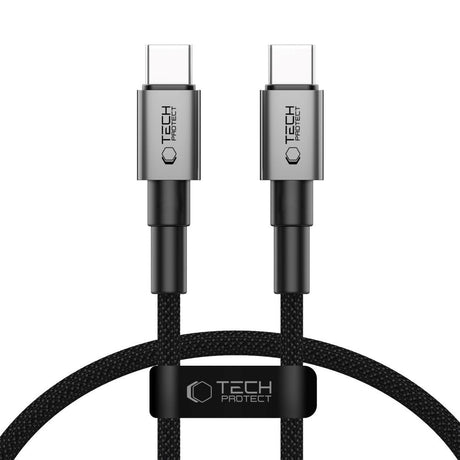
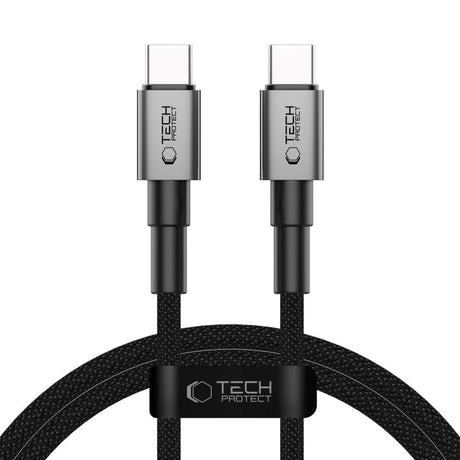
Cables & adapters for charging, data transfer, and audio connections
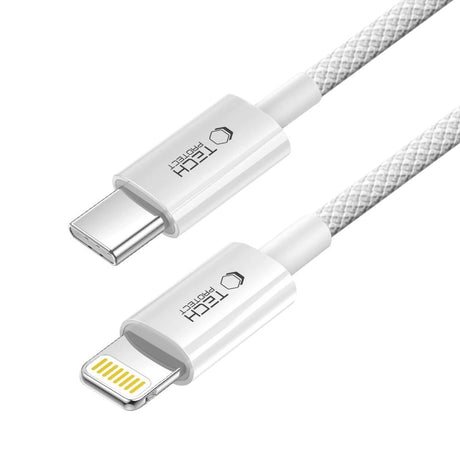
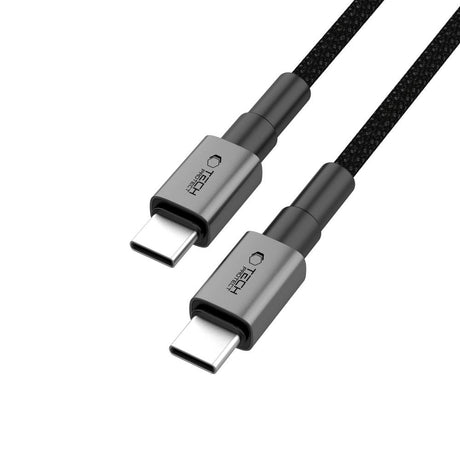
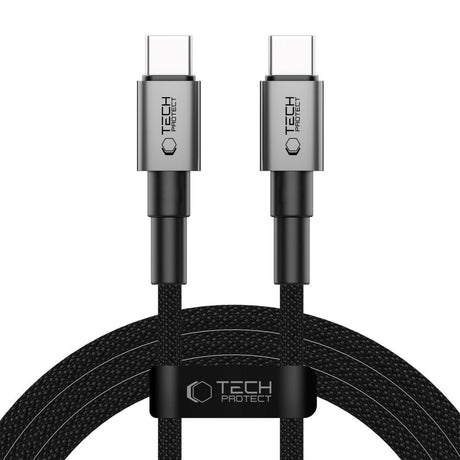
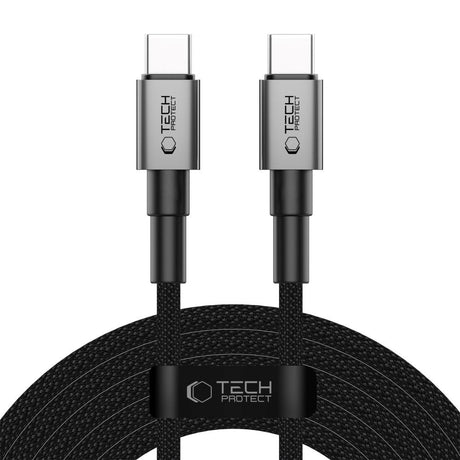
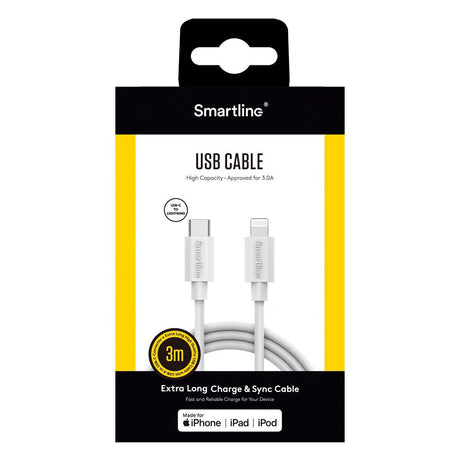
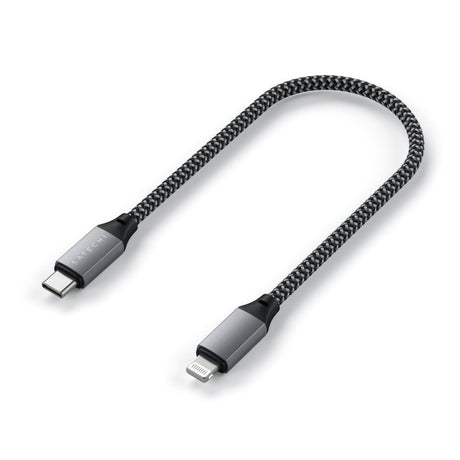
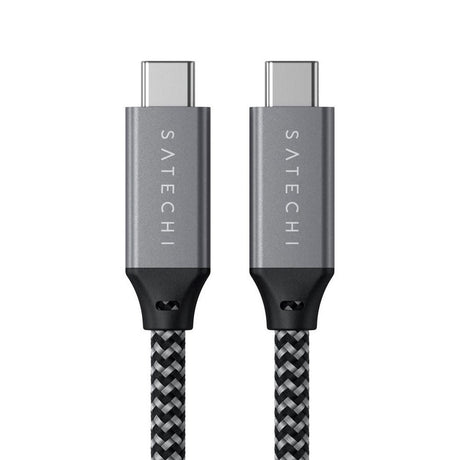
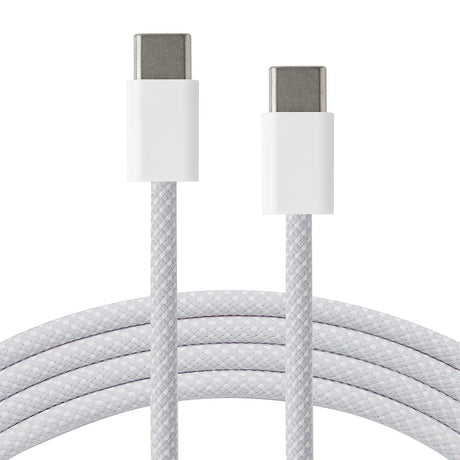
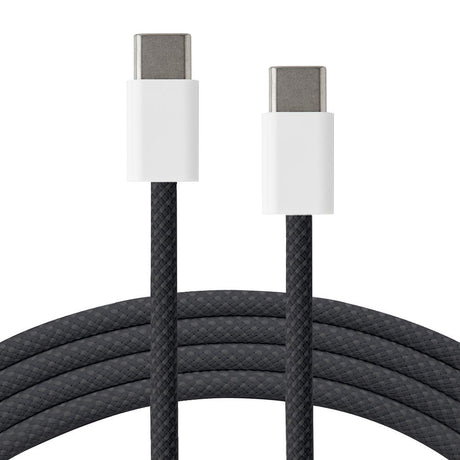
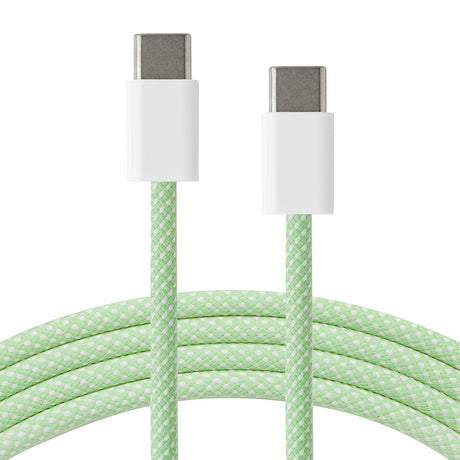
If you are looking for cables & adapters, the main question is usually which connection type you need. Some situations call for a straightforward charging or data cable, while others require an adapter that changes one connector format into another. Here you will find options for different connection needs, from USB-C to USB-C cables and USB-A to USB-C cables to USB-A to Lightning cables and USB-C to 3.5 mm audio jack adapters. Choosing well is about matching the connection and the intended use.
Choose the cable type that matches your connection need
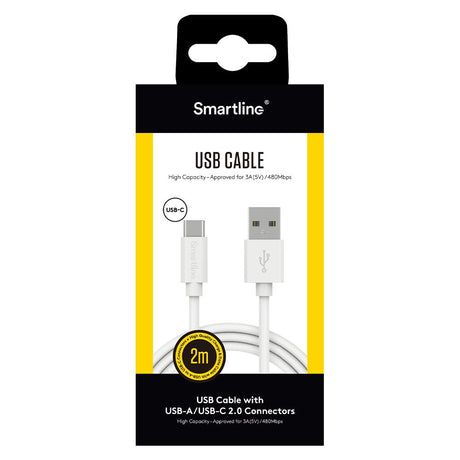
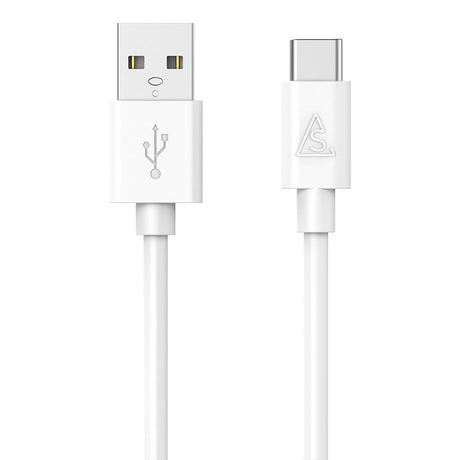
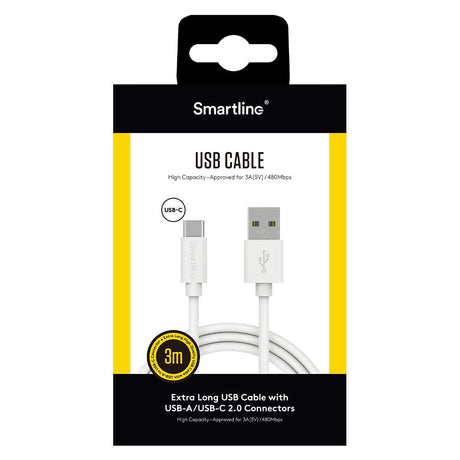
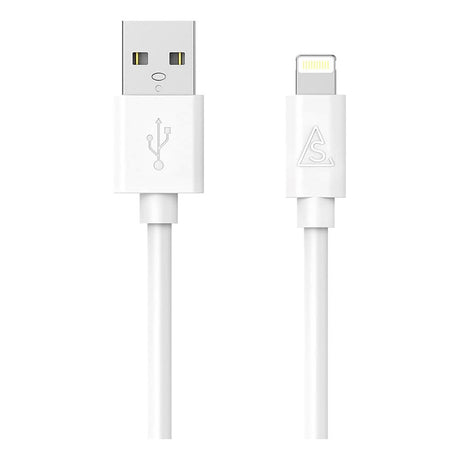
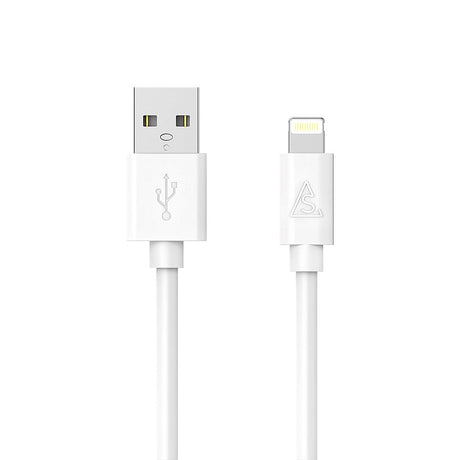
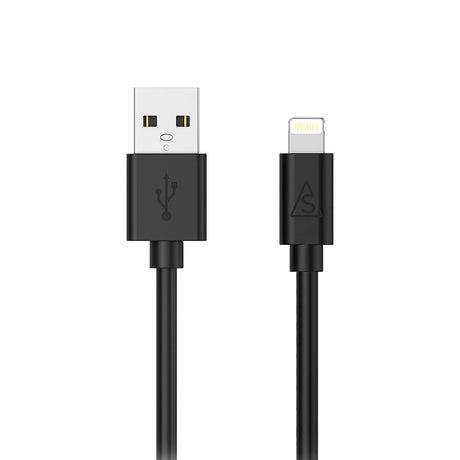
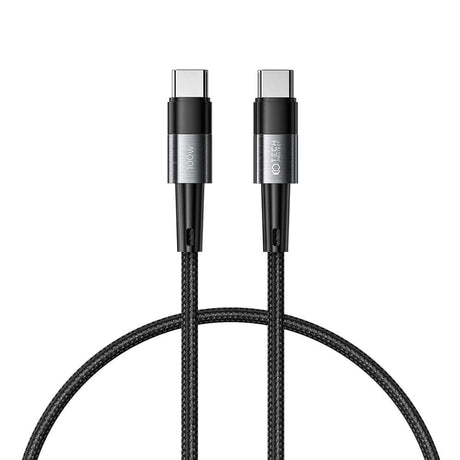
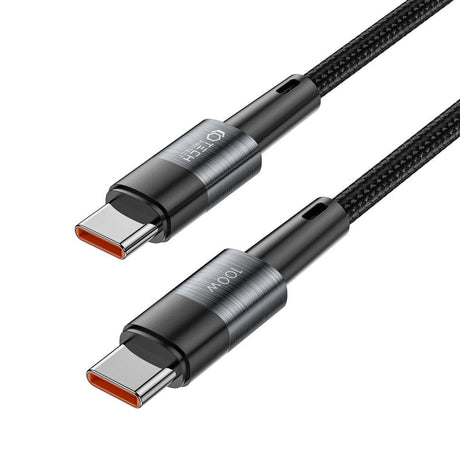
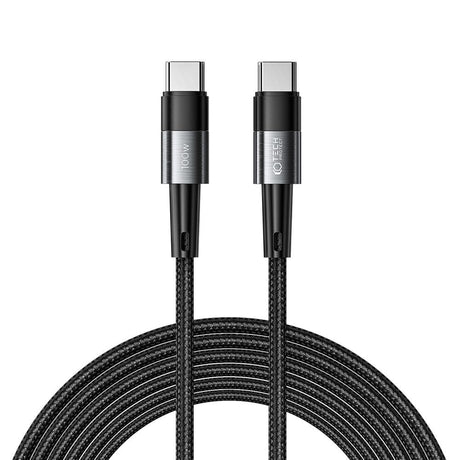
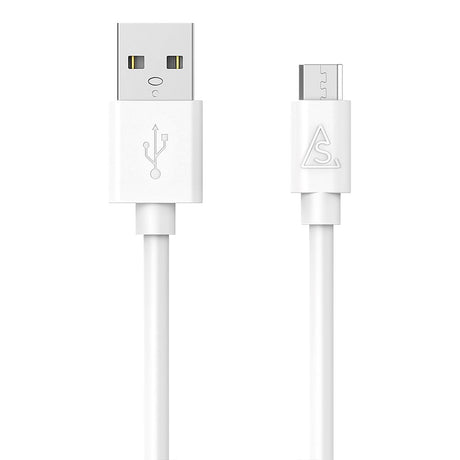
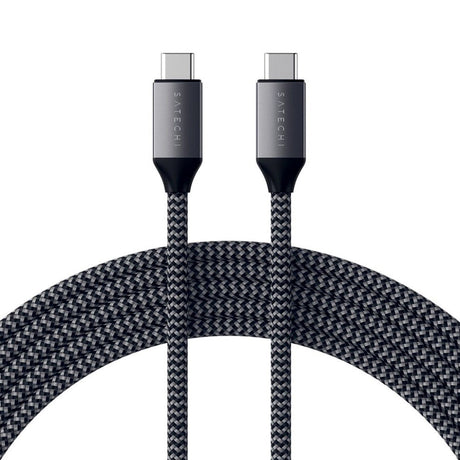
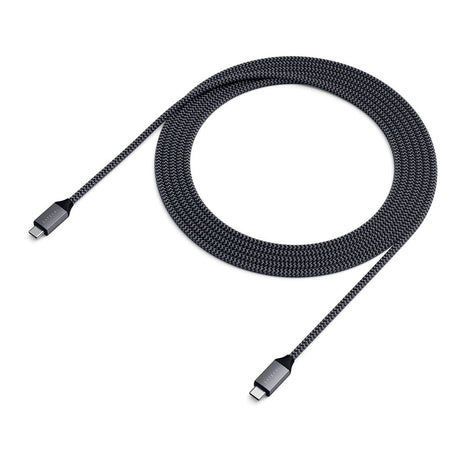
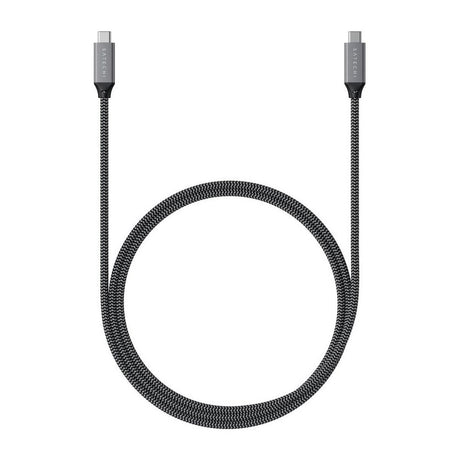
If you need a cable for charging or data transfer, USB-C to USB-C cables are a straightforward place to start because they offer a simple connection on both ends. If you still use older USB-A ports, a USB-A to USB-C cable can be the more practical choice when you want to connect to existing hardware without changing everything at once. You can also find USB-A to Lightning cables if you are specifically looking for that connector format. The important part is to pick the cable that fits the connection you actually need, rather than choosing by appearance alone.
It also helps to think about how the cable will be used. Some cables are better suited to everyday charging, while others are made for more demanding use such as faster power delivery or data transfer. In practice, that means you should look at the cable format first, then consider whether you want a basic option or a higher-performance one. If you are comparing several cables, USB-C cables are often a practical starting point. When you want to learn more about that format, you can explore our USB-C cables.
Think about power, speed, and everyday convenience
Not all cables serve the same purpose, even when the connector format looks similar. Some are designed for lighter charging needs, while others are intended for more advanced data transfer. In this selection, you may come across cables with different performance levels, which makes it worth checking how much capability you actually need. If you only want a reliable everyday cable, a simpler option can be perfectly sufficient. If you want a cable for more demanding use, it makes sense to consider higher-rated alternatives.
Length is another practical factor. A shorter cable can keep a desk or charging area tidy, while a longer cable gives you more freedom if the nearest power source is not right beside you. That choice is less about technical specifications and more about how you use your space. In either case, the right cable should make charging or data transfer simple, not restrictive.
Use adapters when you need to convert between connector types
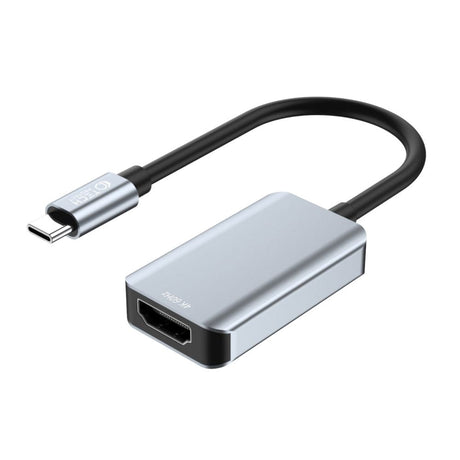
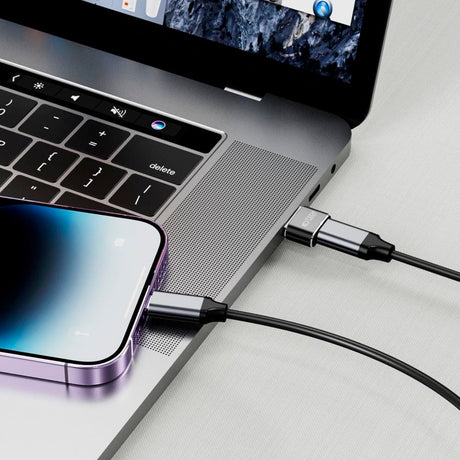
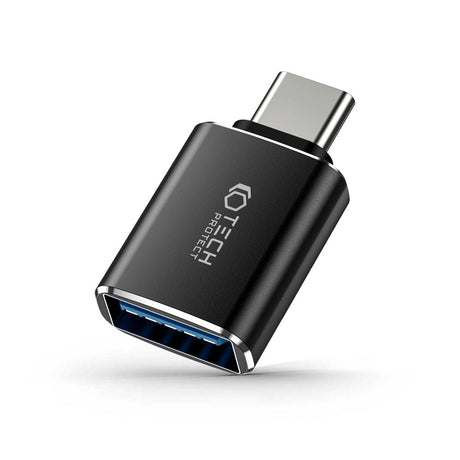
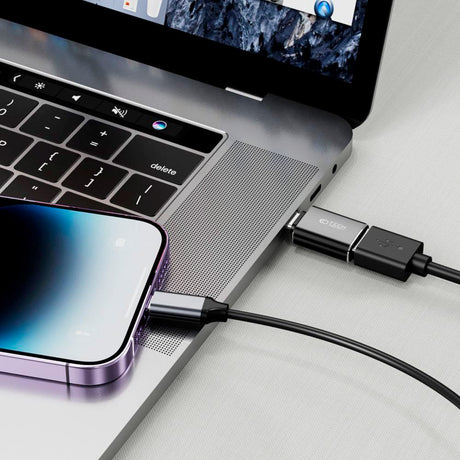
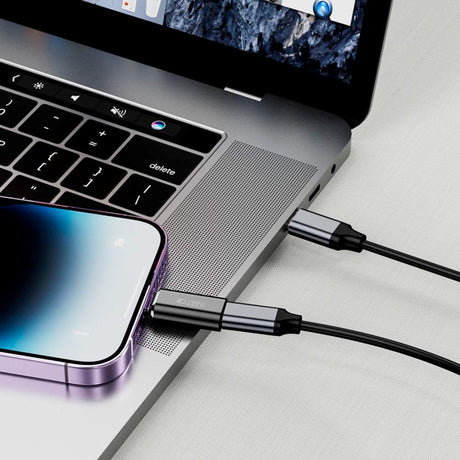
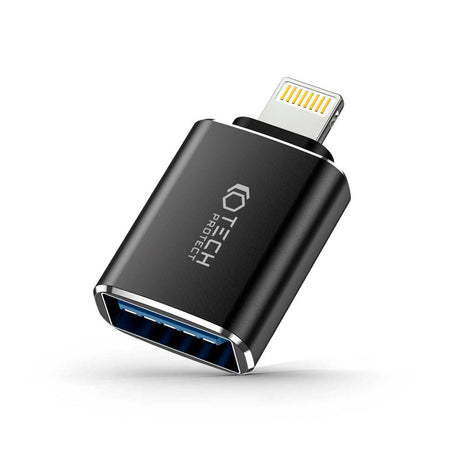
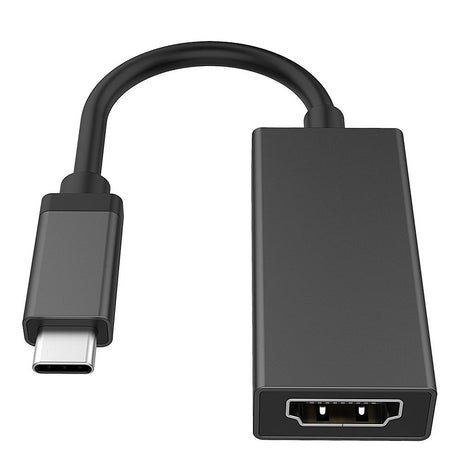
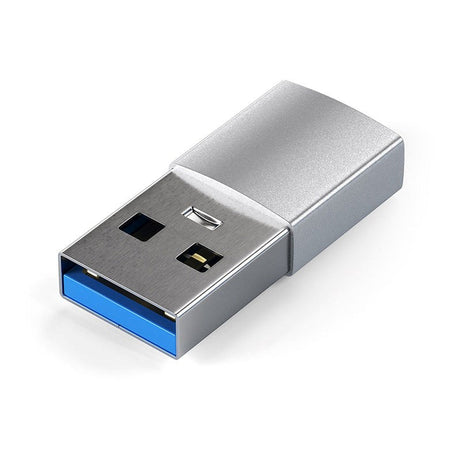
Adapters are useful when you do not need a full cable change, but simply want to convert one connection into another. A good example is a USB-C to 3.5 mm audio jack adapter, which lets you bridge a modern connector format with a more traditional audio connection. This can be especially practical if you want to keep using wired audio equipment without switching away from the connection type you already have available. An adapter is often the simplest solution when one connector is right for the device side, but another connector is needed on the accessory side.
If you are deciding between a cable and an adapter, think about whether you need a longer reach, a direct connection, or a conversion point. Cables are usually the better choice when distance matters or when you want one continuous link. Adapters are better when space, simplicity, or connector conversion is the main need. That distinction can save you from buying something that works technically but is awkward in practice. If your setup relies on different charging sources, pairing the right cable with the right power accessory can also make use smoother; for that, you may want to look at a Wall charger or Charging stations.
Pick the right balance of performance, build, and simplicity
When comparing cables & adapters, the most useful choice is usually the one that matches both your technical need and the connection you want to make. A basic cable is ideal if you want something straightforward and dependable. A higher-performance cable makes more sense if you expect more from charging or data handling. If you want something versatile, USB-C-based cables are often a practical option, while USB-A-based cables are still useful wherever older connections remain part of the setup. For audio conversion, a dedicated adapter can be the cleanest answer.
It is also worth considering how many different connection scenarios you want to cover with one purchase. Some people need a cable for everyday charging, others need a backup cable, and others need an adapter to keep an existing audio connection working. The best result comes from choosing the product type that solves the exact problem in front of you. If you focus on connector type, power needs, and how much flexibility you want, it becomes much easier to choose a cable or adapter that feels useful from day one and stays useful over time.
Frequently Asked Questions
How do you choose between a cable and an adapter?
A cable is the right choice when you need a direct connection for charging or data transfer, while an adapter is used when two connector types do not match. In this collection, that means cables such as USB-C to USB-C, USB-A to USB-C, and USB-A to Lightning, plus adapters like USB-C to 3.5 mm audio jack.
What cable types are included in this collection?
The collection includes generic cable types for charging and data use, including USB-C to USB-C cables, USB-A to USB-C cables, and USB-A to Lightning cables. The key point is the connector format on each end, since that determines whether the cable is suitable for your connection setup.
When is a USB-C to 3.5 mm audio jack adapter useful?
A USB-C to 3.5 mm audio jack adapter is useful when you need to connect a USB-C port to a wired audio plug format. It is an adapter rather than a cable, so its purpose is to convert the connection type rather than extend reach. That makes it a practical option for audio connections that use 3.5 mm plugs.
Find accessories for your device here